As we approach 2026, the cybersecurity landscape is entering a critical phase. Breaches are no longer a possibility to prepare for but an inevitability to manage.
For Google Workspace admins, this means facing AI-driven attacks that operate autonomously, OAuth exploitation that targets admin consent flows, and identity threats capable of creating near-perfect executive replicas. The role of the admin is evolving from system maintenance to strategic risk management.
The threats on the horizon are unlike anything seen before in Google Workspace environments. AI will not just assist attackers, it will act for them. Below is a closer look at the key risks expected to define 2026 and what you can do to defend against them.
What’s Targeting Google Workspace in 2026
AI-Powered Attacks: Prompt Injection & Agentic AI
Threat actors will leverage AI to enhance the speed, scope, and effectiveness of operations, streamlining and scaling attacks across the entire lifecycle. Prompt injection (an attack that manipulates AI to bypass its security protocols and follow an attacker’s hidden command) represents a critical and growing threat.
Agentic AI could radically lower the barrier to entry for attackers, eliminating the prerequisites of time and technical expertise needed for successful attacks against Google Workspace security. Where attackers previously needed to write code and identify infection vectors, autonomous agents could potentially handle these complexities with minimal interaction.
Identity Attacks: The CEO Doppelgänger Crisis
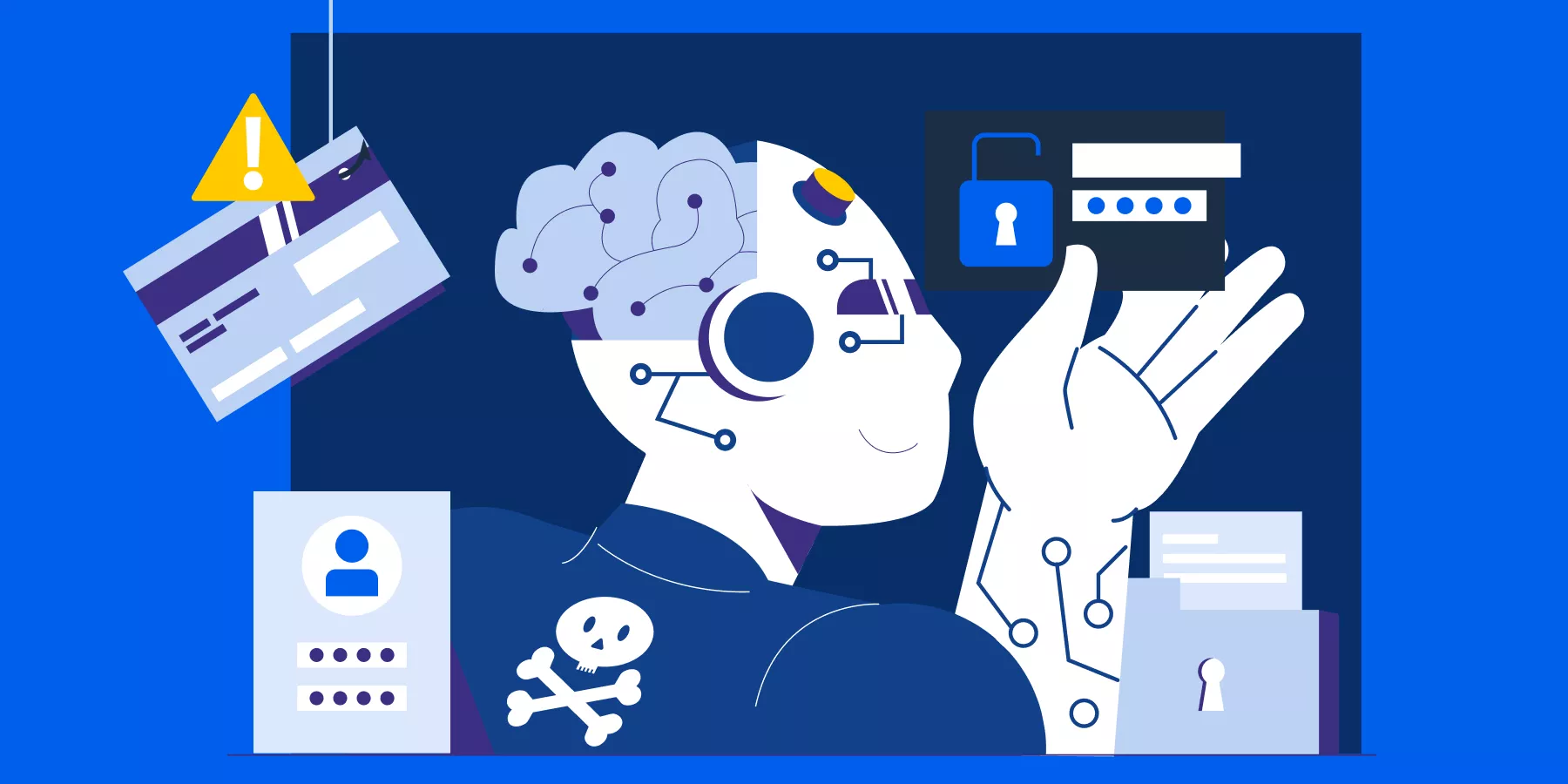
Identity itself is poised to become the primary battleground of the AI Economy in 2026. The “CEO doppelgänger” (a perfect, AI-generated replica of a leader capable of commanding the enterprise in real time) is becoming an imminent reality. This new age of deception is driven by generative AI, achieving flawless, real-time replication that makes deepfakes indistinguishable from reality.
OAuth Exploitation and Admin Consent Flows
OAuth exploitation is the dominant attack vector, accelerated by AI-assisted social engineering. Attackers target admin consent flows and use incremental consent to deploy legitimate-appearing apps that escalate privileges over time.
Autonomous Copilots: A Google Workspace Data Leak Risk
By 2026, autonomous copilots may surpass humans as the primary source of data leaks. These agents inherit existing data hygiene issues (over-permissioned files) and surface sensitive data to users never meant to see it.
Data Poisoning and AI Training Integrity
Adversaries will manipulate training data at its source to create hidden backdoors and untrustworthy AI models. The traditional perimeter is irrelevant when the attack is embedded in the data used to create your enterprise’s core intelligence.
Why Native Google Workspace Security Fails in 2026
1. No AI Governance: Native tools lack visibility into shadow AI usage and can’t detect when employees use unapproved AI tools with company data.
2. Limited OAuth Risk Assessment:Consent phishing attacks use legitimate-looking applications that initially request minimal permissions and then gradually expand access through incremental consent flows. Native Google Workspace tools lack advanced controls to detect this slow permission escalation or AI-assisted social engineering that targets admin consent flows. This method is expected to become one of the main OAuth exploitation vectors in early 2026.
3. Insufficient Behavioral Analytics: Native tools cannot distinguish between legitimate AI agent actions and authentication manipulation attacks. They also cannot identify when a user accesses an unusual volume of sensitive files or when agentic AI operators quietly adjust their behaviour in response to your defences.
4. MFA Bypass Blindness: MFA bypass techniques achieve a 23% success rate against SMS-based implementations, yet native tools lack advanced detection for adversary-in-the-middle attacks.
5. Compliance Complexity: Organizations must demonstrate continuous compliance, but native audit logs do not provide the necessary granularity for SOC 2, HIPAA, or GDPR requirements. Meeting these standards often requires extensive manual work.
Your 2026 Google Workspace Security Defense Framework
1. Identity-First Security
– Replace legacy MFA methods with phishing-resistant authentication for admin accounts.
– Context-aware access policies considering device, location, and behavioral patterns
– Automated anomaly detection for authentication context manipulation
– Real-time response to OAuth permission escalation attempts
2. AI-Aware Data Protection
– Agentic AI governance and monitoring
– Autonomous copilot data access controls and auditing
– Data poisoning detection for AI training data integrity
– Real-time blocking of risky sharing actions by both humans and AI agents
– ML-driven contextual risk assessment distinguishing legitimate from suspicious AI activity
3. Advanced OAuth Governance and Monitoring
– Continuous app behavior monitoring, not just permission auditing
– Detection of gradual permission escalation patterns
✔️ Deploy automated OAuth permission monitoring for gradual escalation (GAT+).
✔️ Implement Context-Aware Access controls.
2026 Ongoing:
✔️ Weekly automated security reviews covering AI agent activity and Copilot data access.
✔️ Monthly OAuth app governance audits.
✔️ Continuous ITDR monitoring for identity attacks and cascading agent failures.
Alongside continuous threat monitoring, it’s also worth reviewing your Google Workspace resource usage. Our Year-End Cloud Cost Optimization insights cover how to control licence, storage, and app costs without compromising security.
A report forecasts that 40% of enterprise applications will feature task-specific AI agents by 2026, yet only 6% of organizations have an advanced AI security strategy in place.
Agentic AI will become a potent tool in attackers’ hands as early as 2026.
As machine identities now outnumber humans 82 to 1, the risks are shifting rapidly. Industry reports predict that agentic AI will cause a public breach in 2026, and that autonomous copilots may surpass humans as the primary source of data leaks by the same year.
Native Google Workspace tools can’t detect agentic AI agents, can’t monitor agent-to-agent interactions, can’t identify CEO doppelgängers, and lack the behavioral analytics to catch autonomous attackers adapting in real-time.
The most expensive security decision in 2026 will be the one you don’t make before AI-powered attacks become the norm.
How GAT Helps You Prepare for 2026 Threats
The risks ahead are real. OAuth exploitation, AI-driven identity attacks, and data leaks from autonomous agents are already emerging. To stay protected in 2026, Google Admins need clear visibility across their environment and the ability to act fast when something changes.
GAT+ gives you that visibility. You can audit every file across My Drive and Shared Drives, track OAuth permission changes, and set alerts for risky actions like new external shares or unusual downloads. Continuous monitoring replaces manual checks, helping you catch exposure before it spreads.
GAT Flow and Unlock strengthen access control during user changes. Automated onboarding, offboarding, and ownership transfers keep access accurate, while dual approval adds accountability for sensitive actions. This prevents data leaks from human error or insider misuse.
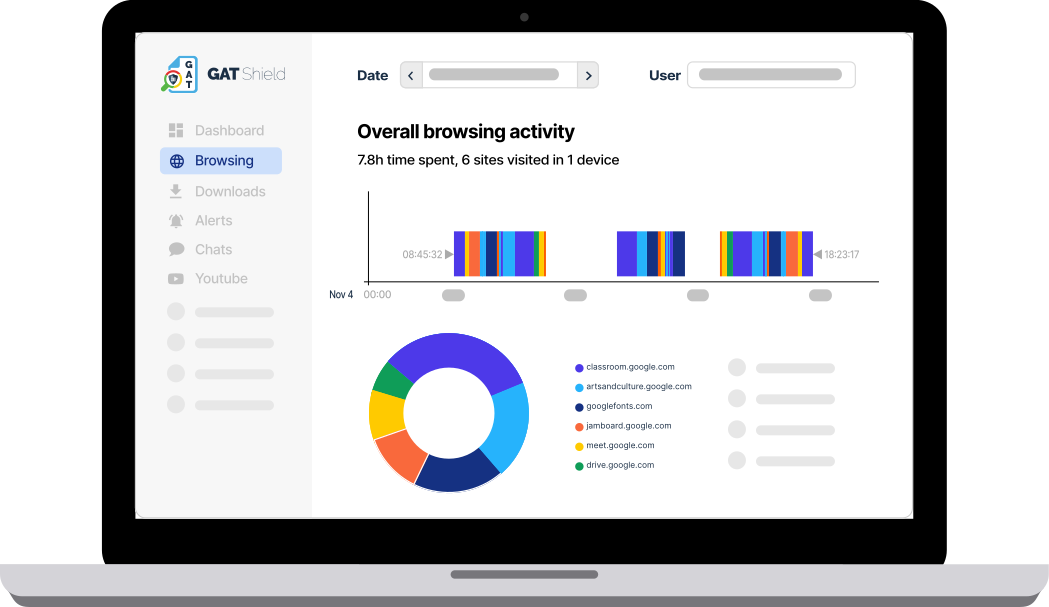
GAT Shield extends visibility to the browser, where most incidents begin. It tracks logins, downloads, and browsing activity in real time, helping you identify suspicious behaviour and block unsafe actions early.
Together, these tools close the blind spots that native Google Workspace security cannot. They give you faster insight, better control, and less manual work, turning complex auditing and threat detection into manageable, ongoing tasks.
In 2026, visibility and speed will define your security posture. GAT gives you both, so you can focus on prevention instead of reaction.
Q1. What are the top Google Workspace security threats in 2026? AI-powered identity attacks, OAuth exploitation, and data leaks from autonomous copilots are expected to dominate the 2026 threat landscape.
Q2. How can Google Admins defend against AI-driven attacks? Adopt identity-first security, phishing-resistant MFA, and AI-aware DLP policies. Use tools like GAT+ and GAT Shield for continuous monitoring and alerting.
Q3. Why is OAuth exploitation becoming more dangerous? Attackers now use AI-assisted consent phishing to escalate privileges gradually through incremental consent flows, bypassing traditional security checks.
Q4. What role does AI governance play in Workspace security? AI governance helps detect and control shadow AI use, monitor AI-generated data access, and prevent autonomous agents from leaking or corrupting information.
Q5. How can GAT Labs help Google Admins prepare for 2026 threats? GAT+ offers deep audit visibility, GAT Flow automates secure user access control, and GAT Shield detects suspicious browser behaviour in real-time.
Insights That Matter. In Your Inbox.
Join our newsletter for practical tips on managing, securing, and getting the most out of Google Workspace, designed with Admins and IT teams in mind.